

Embark on a journey into the realm of central air repair near me, where we unravel the intricacies of maintaining optimal indoor comfort and the repercussions of neglecting timely repairs. Discover the benefits of regular maintenance to avert major issues, ensuring your system runs smoothly throughout the year.
Importance of Central Air Repair
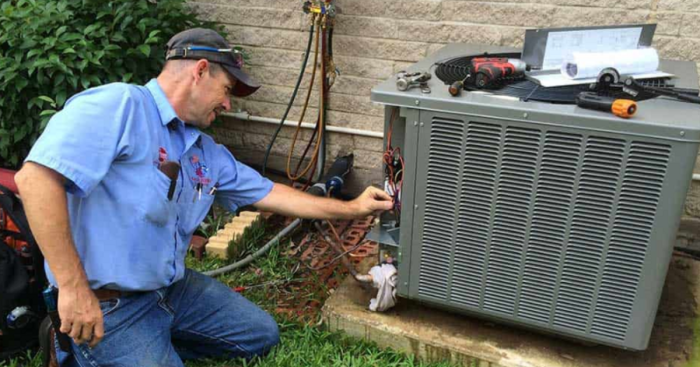
Timely central air repair is crucial for maintaining indoor comfort and ensuring the efficient operation of your cooling system.
Potential Consequences of Neglecting Central Air Repair
- Decreased cooling efficiency leading to higher energy bills.
- Uneven cooling throughout your home, resulting in discomfort for occupants.
- Increased wear and tear on the system, leading to expensive repairs or premature system replacement.
- Potential health risks due to poor indoor air quality from a malfunctioning central air system.
Benefits of Regular Maintenance to Prevent Major Repair Issues
- Improved energy efficiency, saving you money on utility bills.
- Extended lifespan of your central air system, avoiding costly replacements.
- Enhanced indoor air quality for a healthier living environment.
- Peace of mind knowing your system is running smoothly and reliably.
Signs Your Central Air Needs Repair
Regular maintenance and prompt repairs are essential to keep your central air system running efficiently. There are several signs that indicate your central air system may need repair. Ignoring these signs can lead to more significant issues and costly repairs down the line.
Unusual Noises
If you hear strange noises coming from your central air system, such as banging, rattling, or squealing, it could be a sign of a problem. These noises could indicate issues with the fan, motor, or other components that require attention from a professional.
Strange Odors
Foul odors emanating from your central air system, such as musty smells or burning odors, can be a sign of mold, burnt wiring, or other issues. It's important to address these odors promptly to prevent further damage to the system and ensure the air quality in your home remains safe.
Poor Performance
If you notice that your central air system is not cooling your home as effectively as it used to, or if certain rooms are consistently warmer than others, it could indicate a problem with the system. Reduced airflow, uneven cooling, or frequent cycling on and off are all signs that your system may need repair.
High Utility Bills
An unexpected increase in your energy bills could be a sign that your central air system is not functioning efficiently. If your system is working harder to cool your home due to underlying issues, it will consume more energy, resulting in higher utility costs.
Addressing these issues promptly can help you save money in the long run.
Leaks or Moisture
Any signs of leaks or moisture around your central air system could indicate a problem with the unit. Leaking refrigerant, condensation, or water pooling around the system can all be signs that repairs are needed to prevent further damage and maintain the system's efficiency.
Thermostat Issues
If you are experiencing inconsistencies with your thermostat or if the temperature settings are not being maintained properly, it could be a sign of a problem with your central air system. Issues with the thermostat can impact the overall performance of the system and may require professional attention.
DIY Troubleshooting Tips
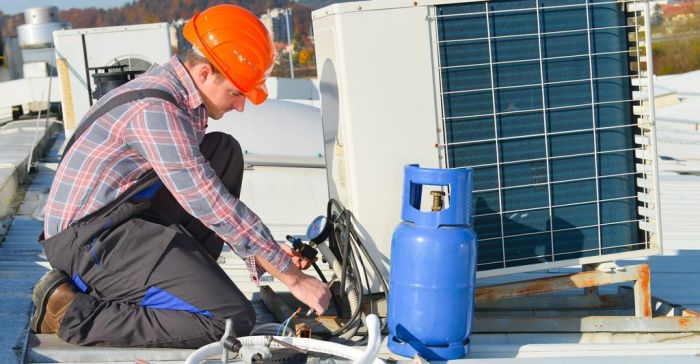
When your central air system is not functioning properly, there are some simple troubleshooting steps you can take before calling for professional repair. These DIY fixes can help you identify and possibly resolve minor issues with your central air system.
However, it is important to keep safety precautions in mind before attempting any DIY repairs.
Check the Thermostat Settings
- Make sure the thermostat is set to cool and that the temperature setting is lower than the current room temperature.
- Check the batteries in the thermostat and replace them if needed.
Inspect the Air Filters
- Check the air filters and replace them if they are dirty or clogged.
- Clean or replace the filters every 1-3 months to ensure proper airflow.
Clear Debris Around the Outdoor Unit
- Remove any debris, such as leaves or branches, from around the outdoor unit to ensure proper airflow.
- Trim vegetation and bushes to maintain at least 2 feet of clearance around the unit.
Check the Circuit Breaker
- Inspect the circuit breaker and reset it if the central air system is not turning on.
- If the breaker continues to trip, there may be an underlying electrical issue that requires professional attention.
Clean the Condenser Coils
- Turn off the power to the unit and clean the condenser coils using a soft brush or cloth.
- Remove any dirt or debris that may be obstructing airflow and affecting the cooling efficiency.
Hiring a Professional Repair Service
When it comes to repairing your central air system, it is crucial to hire a professional repair service to ensure the job is done correctly and efficiently. Here are some important factors to consider when choosing a central air repair service:
Qualifications to Look For
- Look for a company that is licensed and insured. This will give you peace of mind knowing that the technicians working on your system are properly trained and qualified.
- Check for certifications from reputable organizations such as NATE (North American Technician Excellence) to ensure the technicians have the necessary skills and knowledge to handle your repair.
- Consider the experience of the repair company. A company with years of experience is likely to have encountered a wide range of issues and can provide effective solutions.
Importance of Getting Multiple Quotes
Getting multiple quotes from different repair services is essential to ensure you are getting a fair price for the repair work. By comparing quotes, you can also assess the level of professionalism and customer service offered by each company. Additionally, obtaining multiple quotes allows you to make an informed decision based on the overall value provided by each repair service.
Cost of Central Air Repair
When it comes to central air repair, the cost can vary depending on several factors. Understanding the typical costs associated with central air repair can help you budget accordingly and make informed decisions.
Factors Influencing Repair Costs
- Extent of Damage: The severity of the issue and the extent of repairs needed can significantly impact the cost. Minor repairs will naturally be less expensive than major repairs or replacements.
- Age of the System: Older central air systems may require more frequent repairs and parts may be harder to find, potentially increasing costs.
- Brand and Model: Some brands and models may have more expensive replacement parts or require specialized technicians, affecting the overall repair costs.
- Service Provider: Different repair companies may have varying labor rates and service fees, so it's advisable to compare quotes from different providers.
Tips to Save Money on Central Air Repair
- Regular Maintenance: By scheduling routine maintenance for your central air system, you can prevent costly repairs and prolong the lifespan of your unit.
- DIY Troubleshooting: Before calling a professional, try simple troubleshooting steps to see if the issue can be resolved without the need for a costly repair service.
- Get Multiple Quotes: Don't settle for the first repair quote you receive. Compare prices from different repair companies to ensure you're getting a fair deal.
- Consider Energy Efficiency: Investing in energy-efficient upgrades or components during repairs may result in long-term savings on your energy bills.
Closure
As we conclude our exploration of central air repair near me, remember the vital role of professional services in keeping your system in top condition. From identifying signs of repair needs to understanding the costs involved, it's imperative to prioritize the maintenance of your central air for long-term efficiency and comfort.
Popular Questions
How often should I schedule central air maintenance?
It is recommended to schedule maintenance at least once a year to ensure optimal performance and prevent major issues.
What are the common signs that my central air system needs repair?
Common signs include poor airflow, strange noises, unpleasant odors, and inconsistent cooling/heating.
Is DIY troubleshooting safe for central air systems?
While some simple fixes can be done, it's crucial to follow safety precautions and consult professionals for complex problems to avoid further damage.