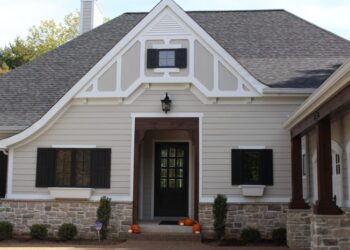

When it comes to choosing the best siding for homes, the options can be overwhelming. From the classic appeal of wood to the low maintenance of vinyl, each material has its own unique advantages. This guide aims to break down the key aspects of siding selection, helping you make an informed decision that not only enhances your home's aesthetics but also ensures durability and energy efficiency.
Types of Siding Materials

When it comes to choosing the right siding for your home, there are several options to consider. Each type of siding material has its own unique features, benefits, and maintenance requirements. Let's take a closer look at some of the most commonly used siding materials: vinyl, wood, fiber cement, and metal.
Vinyl Siding
Vinyl siding is one of the most popular choices for homeowners due to its affordability and low maintenance requirements. It is available in a wide range of colors and styles, making it easy to find the perfect fit for your home.
Vinyl siding is also durable and resistant to rot, fading, and insect damage, making it a long-lasting option for your home.
Wood Siding
Wood siding offers a natural and timeless look that many homeowners love. It is available in various types of wood, such as cedar, pine, and redwood, each with its own unique aesthetic appeal. While wood siding requires more maintenance than vinyl, with regular painting or staining to protect it from the elements, many homeowners find the beauty of wood siding worth the extra effort.
Fiber Cement Siding
Fiber cement siding is a durable and versatile option for homeowners looking for a low-maintenance siding material. Made from a mixture of cement, sand, and cellulose fibers, fiber cement siding is resistant to rot, fire, and insects. It is also available in a wide range of colors and styles, including options that mimic the look of wood or stucco.
Metal Siding
Metal siding, such as aluminum or steel, is known for its strength and durability. It is resistant to fire, rot, and insects, making it a long-lasting option for homeowners. Metal siding is also low maintenance and can be painted in a variety of colors to suit your home's style.
However, metal siding may dent or scratch more easily than other materials.
Factors to Consider
When choosing siding for your home, there are several important factors to consider to ensure you make the best decision for your needs. Factors such as climate, location, cost, and maintenance requirements all play a crucial role in determining the most suitable siding material for your home.
Impact of Climate and Location
The climate and location of your home are significant factors to consider when selecting siding materials. For instance, homes in regions with extreme weather conditions, such as heavy rain or intense sunlight, may require siding materials that are durable and weather-resistant.
Vinyl siding is a popular choice for its ability to withstand various climate conditions, while wood siding may require more maintenance in these areas.
Cost Implications
The cost of siding materials can vary significantly, both in terms of initial installation costs and long-term maintenance expenses. While vinyl siding is often more affordable upfront, it may require more frequent maintenance and replacement compared to other materials like fiber cement or metal siding.
It is essential to consider not only the initial cost of the siding but also the long-term maintenance requirements to determine the overall cost-effectiveness of each option.
Energy Efficiency
When it comes to siding materials for homes, energy efficiency is a crucial factor to consider. The type of siding you choose can have a significant impact on insulation and energy costs.
Insulation and Energy Costs
Various types of siding materials offer different levels of insulation, which can affect the energy efficiency of your home. For example, insulated vinyl siding can help improve insulation by reducing heat loss during colder months and keeping your home cooler in the summer, ultimately leading to lower energy costs.
- Insulated Vinyl Siding: This type of siding has a layer of foam insulation attached to the back of the panels, providing enhanced thermal performance and energy efficiency.
- Fiber Cement Siding: Known for its durability and resistance to fire and insects, fiber cement siding also offers good insulation properties, helping to regulate indoor temperatures and reduce energy consumption.
- Wood Siding: While wood siding may not be as energy-efficient as other materials, it can still provide some level of insulation. However, regular maintenance is required to ensure its effectiveness in preserving energy.
Eco-Friendly Siding Options
For those looking to promote energy conservation and reduce their carbon footprint, there are eco-friendly siding options available that prioritize sustainability and energy efficiency.
- Recycled Metal Siding: Made from recycled materials, metal siding is not only durable but also energy-efficient, reflecting heat away from the home and reducing the need for excessive cooling.
- Cork Siding: Cork is a renewable and sustainable material that offers natural insulation properties, helping to keep homes warm in winter and cool in summer, thus lowering energy consumption.
- Bamboo Siding: Bamboo is a rapidly renewable resource that can be harvested without harming the environment. Bamboo siding provides good insulation and contributes to energy efficiency in homes.
Aesthetics and Design

When it comes to the aesthetics and design of a home, the siding plays a crucial role in enhancing the curb appeal and overall look of the property. The choice of siding material, color, texture, and style can significantly impact the visual appeal of a house.
Selecting Siding Colors, Textures, and Styles
Choosing the right siding colors, textures, and styles is essential to complement the architectural style of the house. Here are some tips to help you make the best decision:
- Consider the architectural style of your home: Different architectural styles, such as traditional, modern, colonial, or farmhouse, may require specific siding colors and textures to enhance the overall design.
- Look at the surroundings: Take into account the landscape, neighboring houses, and the overall environment when selecting siding colors to ensure that it blends harmoniously with the surroundings.
- Sample before deciding: It's always a good idea to get samples of different siding colors and textures and see how they look on your home at different times of the day to make an informed decision.
- Consult with a professional: If you're unsure about which siding colors, textures, or styles to choose, consider consulting with a professional designer or architect who can provide valuable insights based on your home's architecture and surroundings.
Impact of Different Siding Materials
The choice of siding material can have a significant impact on the aesthetics of a home. Here's how different siding materials can affect the overall look of a property:
- Wood siding: Provides a warm and natural look, perfect for traditional and rustic-style homes. It can be stained or painted in various colors to match the design of the house.
- Vinyl siding: Offers a wide range of colors and textures, making it a versatile option for modern and contemporary homes. It is low-maintenance and cost-effective.
- Fiber cement siding: Mimics the look of wood but is more durable and resistant to rot, pests, and fire. It comes in a variety of textures and colors to suit different architectural styles.
- Brick siding: Adds a classic and timeless appeal to a home, creating a sophisticated look. It is durable, low-maintenance, and offers excellent insulation properties.
Closure
In conclusion, the choice of siding for your home is a crucial decision that impacts both the appearance and functionality of your property. By considering factors like material durability, aesthetic appeal, and energy efficiency, you can select the best siding that meets your needs and enhances the value of your home.
Take the time to explore the options available, and make a choice that you'll be happy within the long run.
Essential FAQs
What is the most durable siding material?
Among the common options, fiber cement siding is known for its exceptional durability and resistance to various elements.
Does the choice of siding material impact energy costs?
Yes, certain siding materials like insulated vinyl can improve insulation, leading to reduced energy costs over time.
Are there eco-friendly siding options available?
Wood siding sourced from sustainable forests and fiber cement made from recycled materials are eco-friendly choices for environmentally conscious homeowners.